
The Grand Mulberry
35,765 square feet
7 stories, 20 units
New York, New York
2022
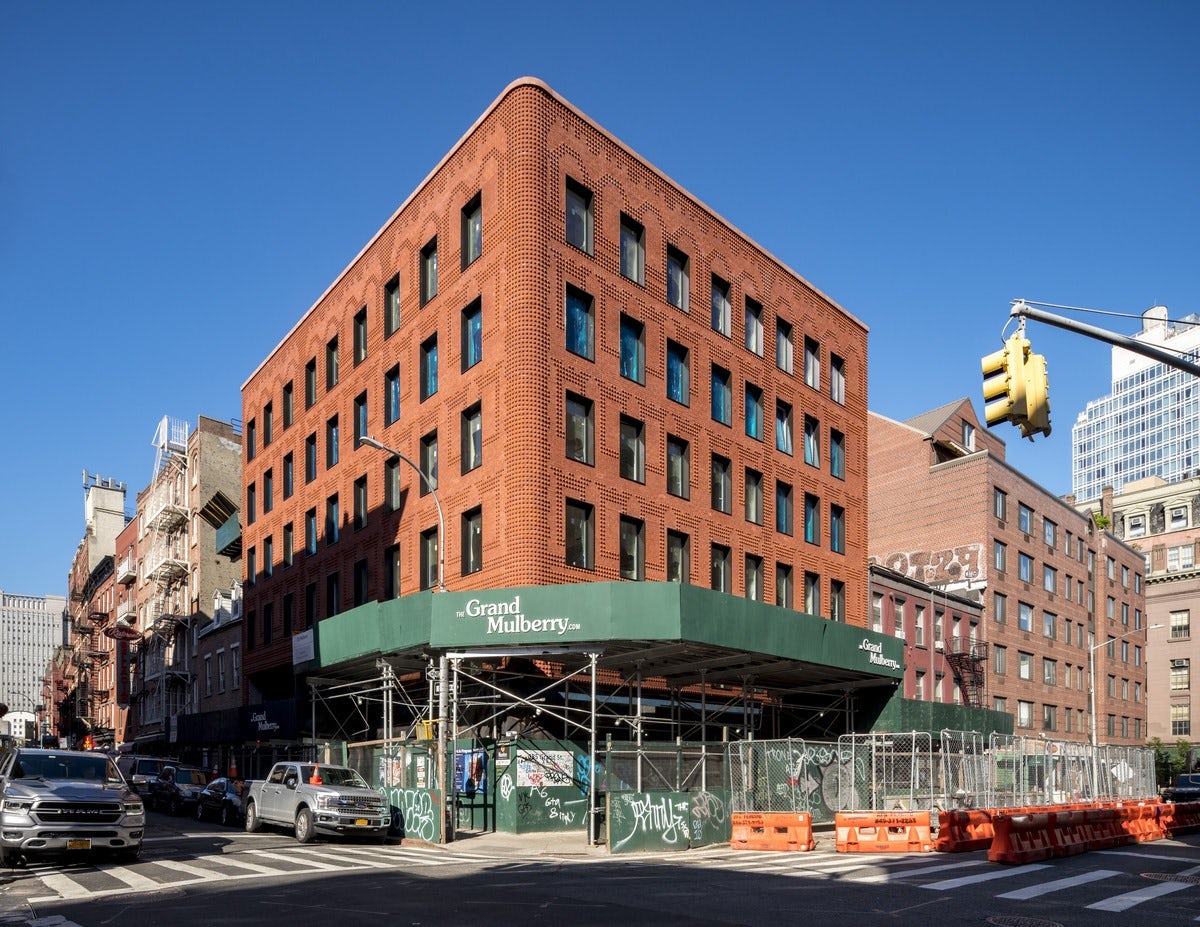
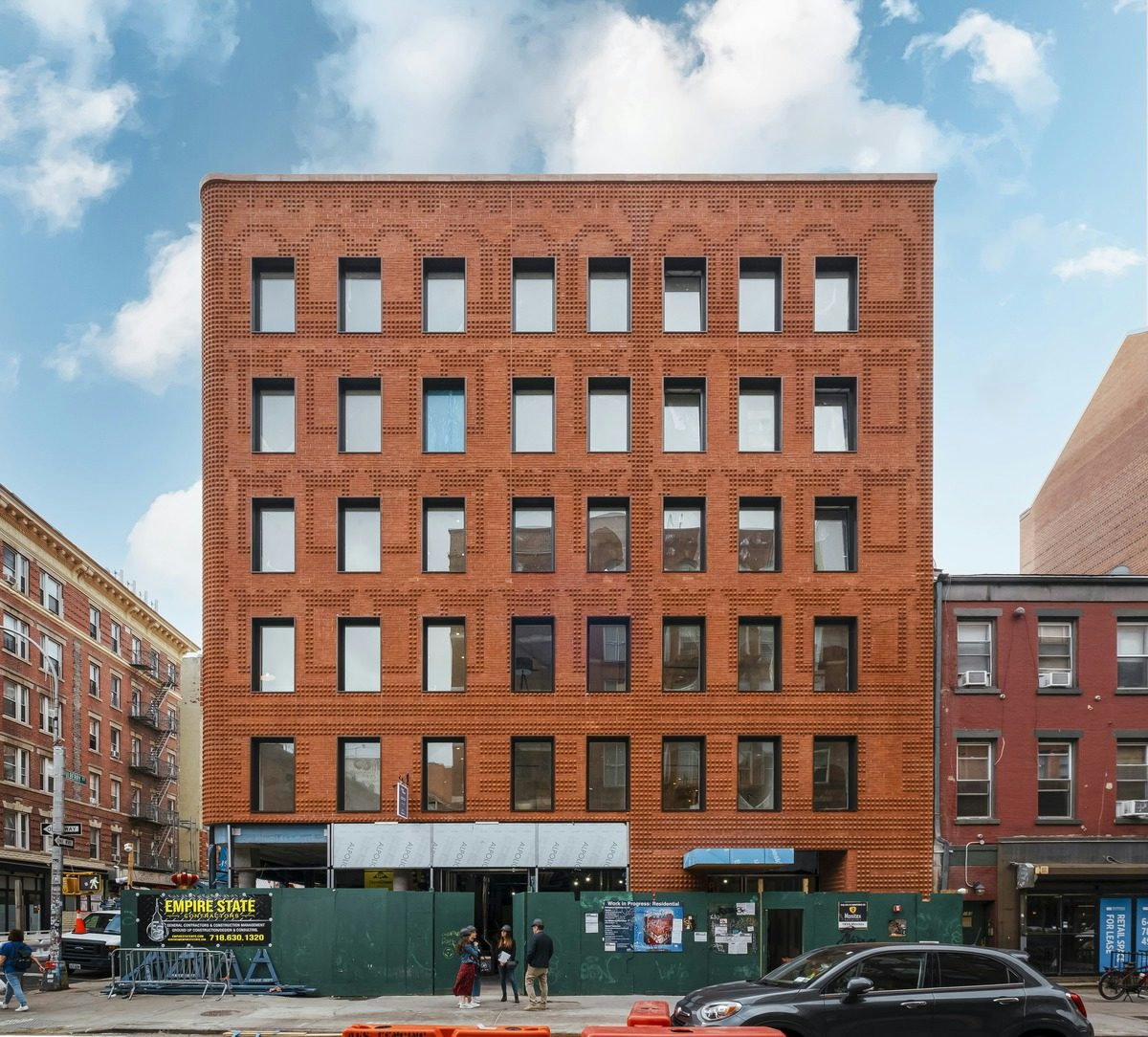
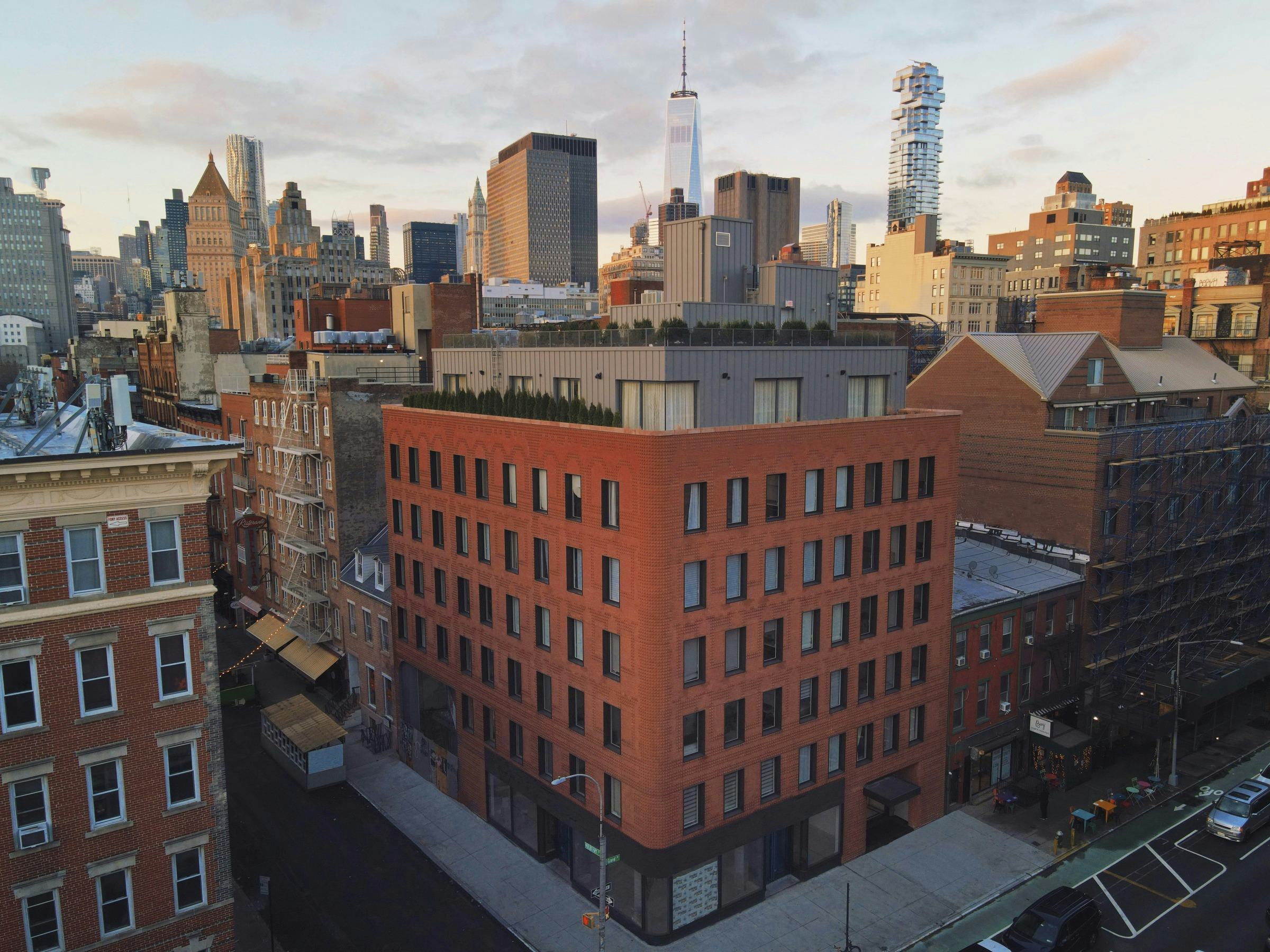
Located at the intersection of Grand and Mulberry Streets in the heart of Little Italy, the design of The Grand Mulberry draws inspiration from the rich heritage of historic Italianate tenements found throughout the neighborhood. The custom-profiled brick that clads the contemporary condominium building creates a spectral reference to this heritage.
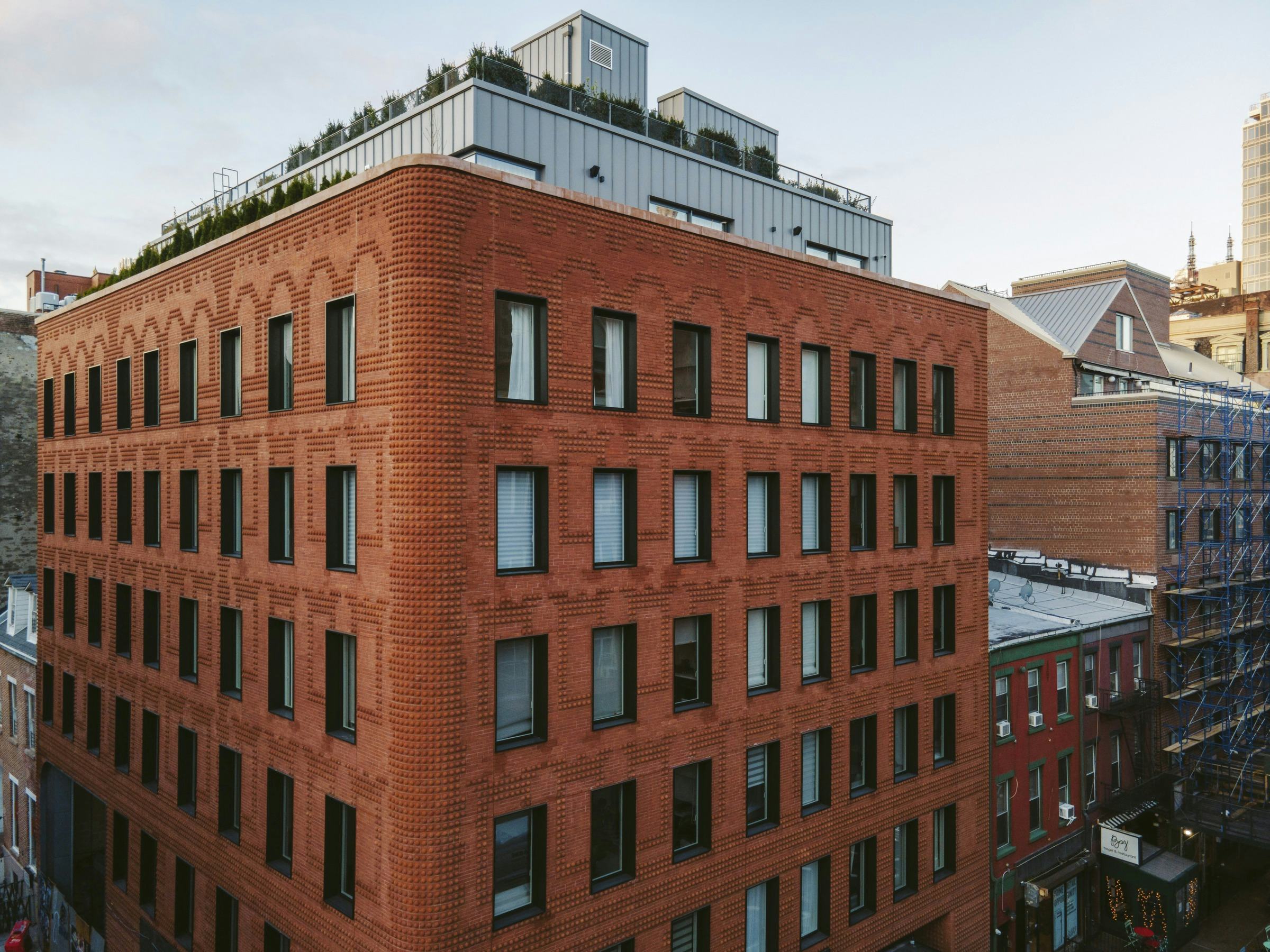


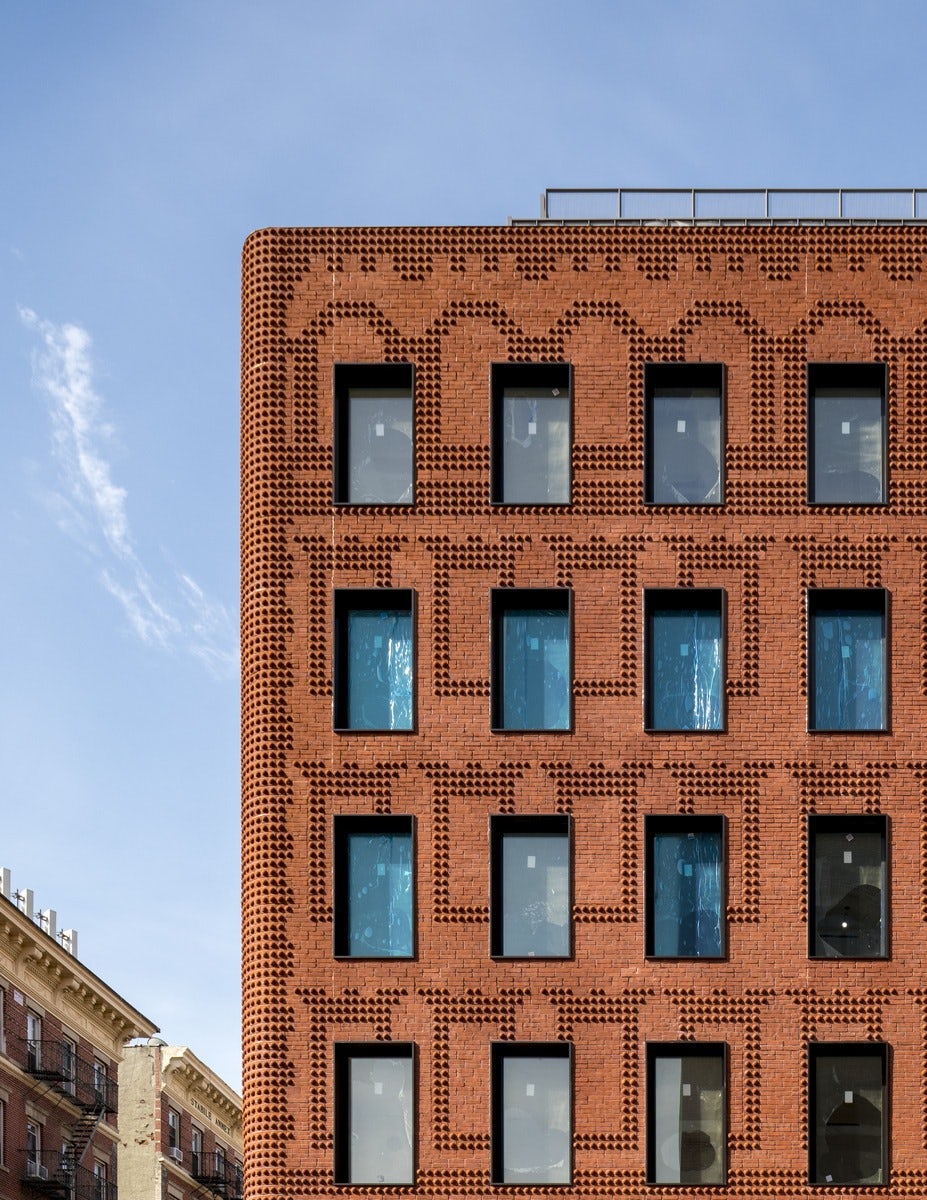
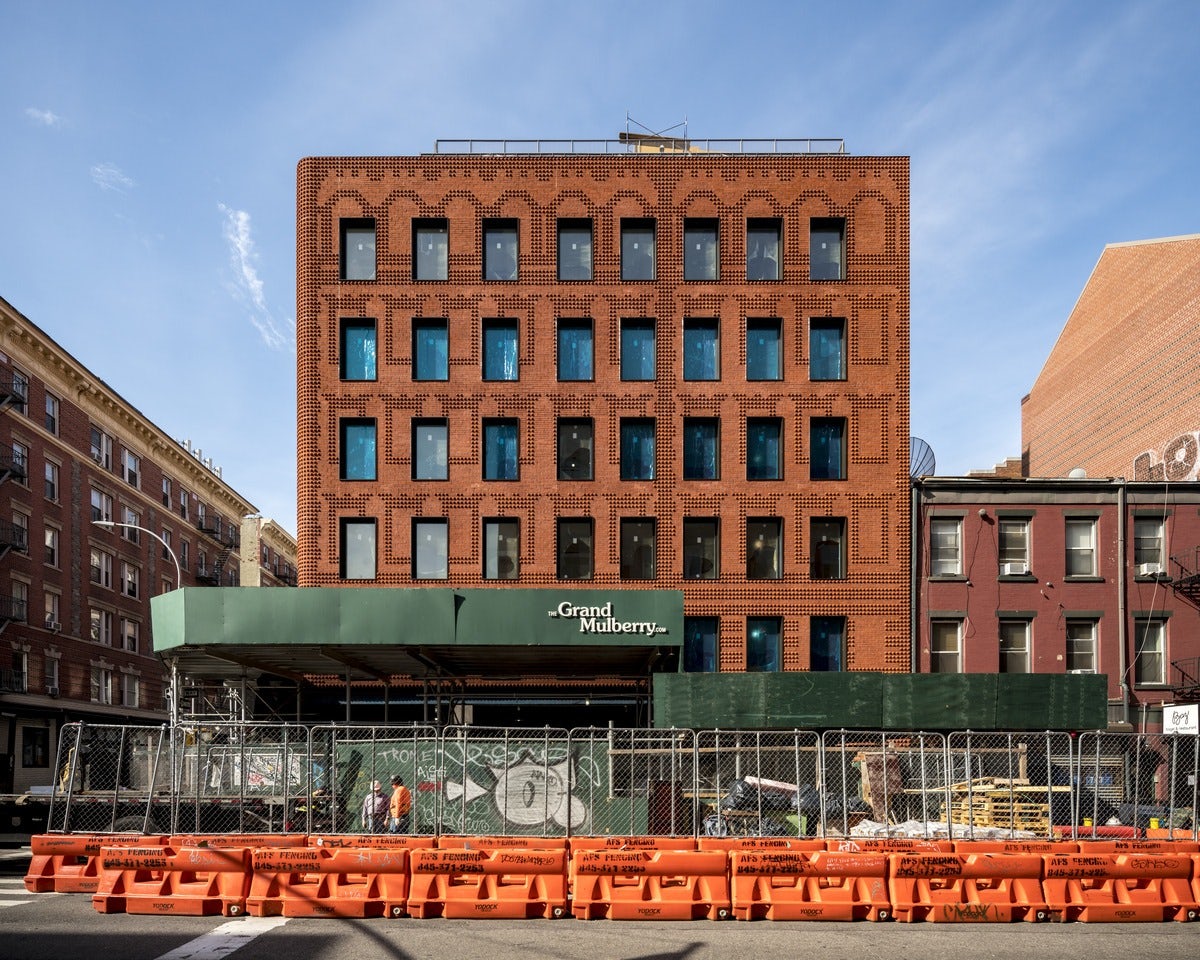
Traditionally, Italianate tenement buildings featured a tripartite façade that consisted of a base, middle, and top with differing details and brickwork used for each portion. Emulating this tradition, The Grand Mulberry’s façade pattern consists of banding at the building’s base on floors 1-2, pediment windows at the middle on floors 3-5, and arched windows and a cornice at the top portion on floor 6. Quoining details define the bays.
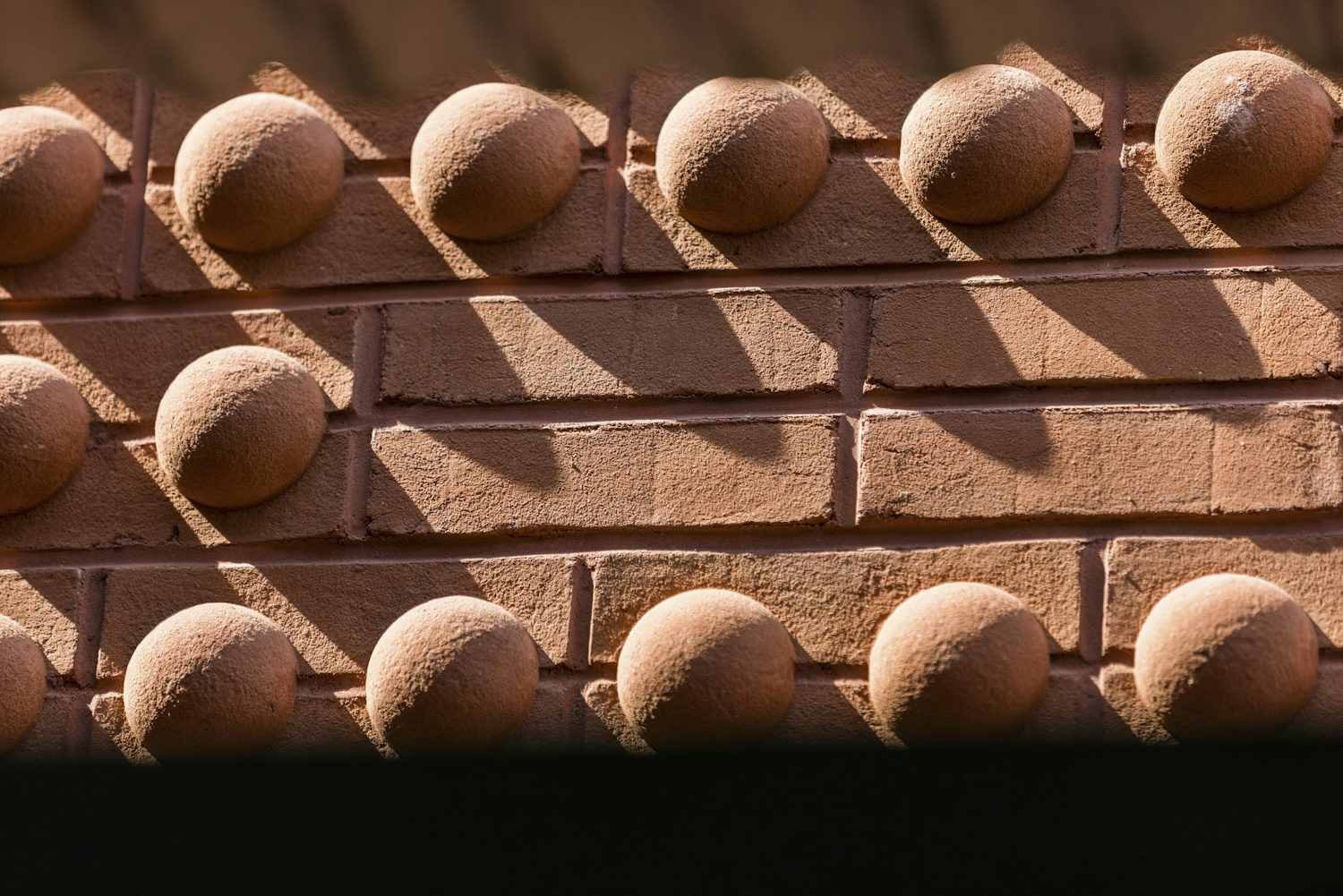
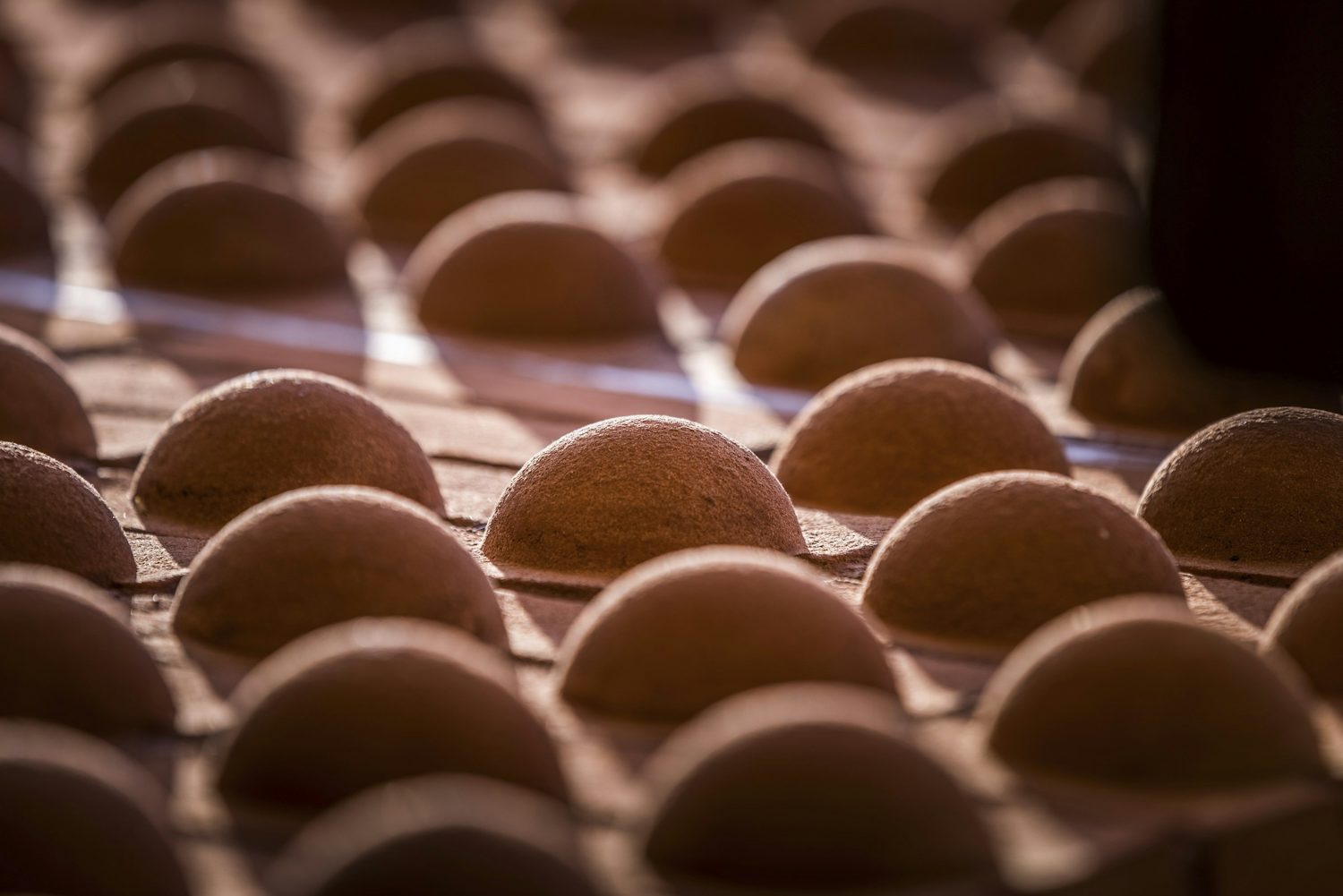
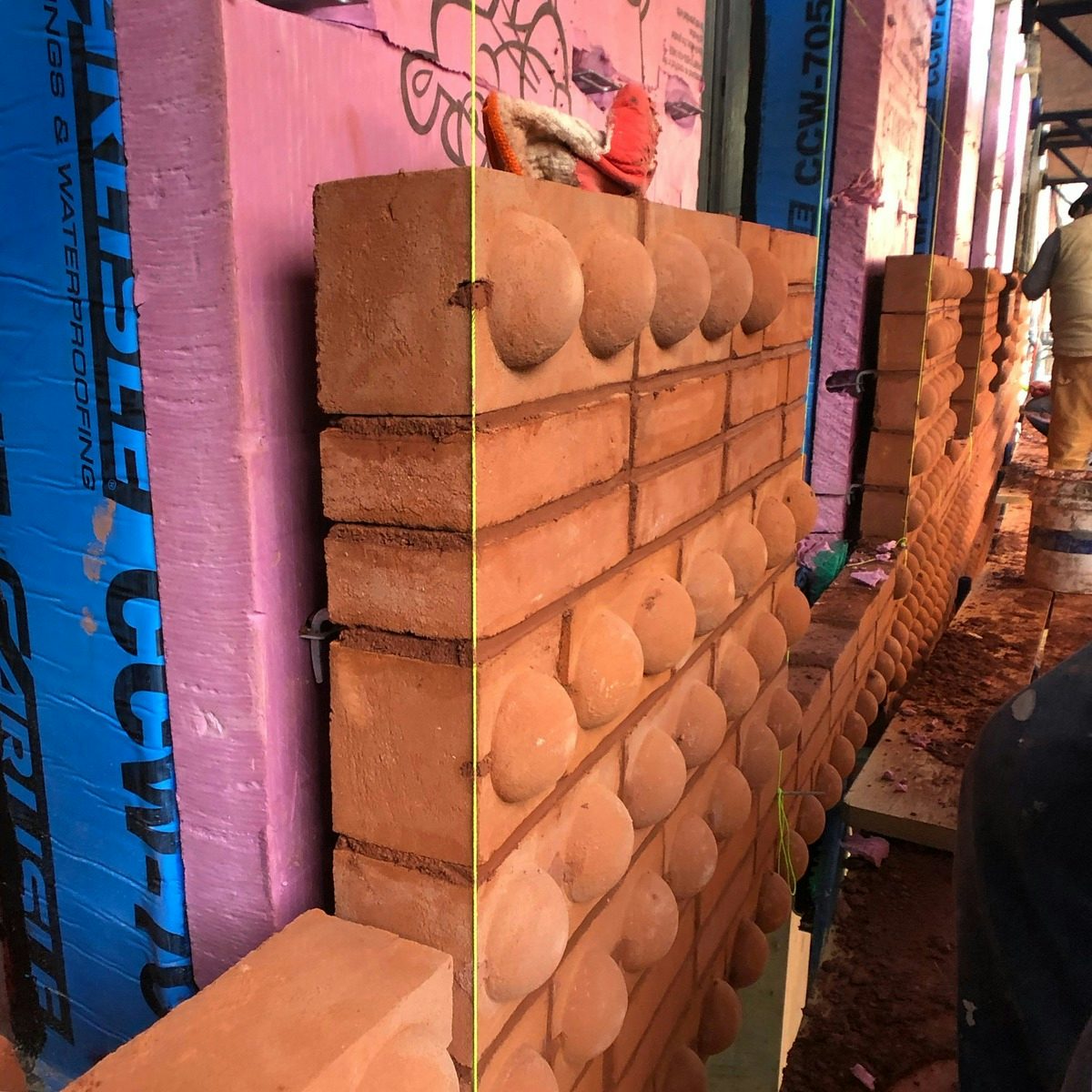
Given the project’s setting, the objective from the onset was to design a building that was contextual yet unmistakably contemporary. While the façade pattern is traditional, the application of the hand-molded domed bricks is very modern—each brick was carefully positioned within the double-stacked running bond coursing to present the illusion of an Italianate façade. The red-orange color pays further homage to the red brick buildings found in the neighborhood.
At the rear of the building, the 7th floor steps back to create a gracious terrace for the penthouse unit that faces both Grand and Mulberry Streets. The penthouse and the building’s bulkhead are wrapped in medium gray standing seam metal panels that create a subtle contrast of material and color. This allows these elements to stand alone but not detract from the brick façade below.
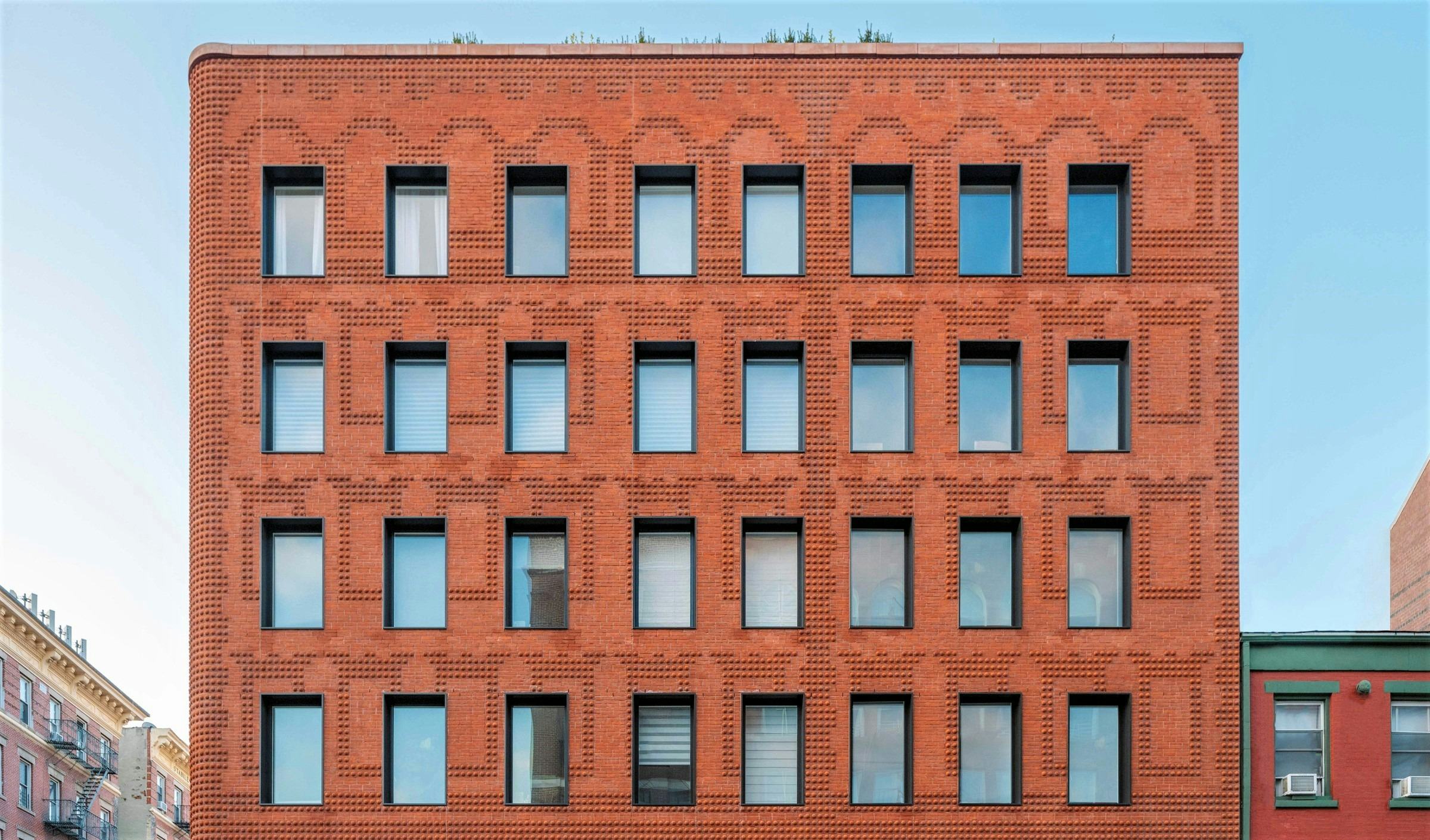

Though the use of hand-molded bricks is a traditional choice, the unique shape and pattern developed specifically for the project result in a façade design that is fresh and modern.

While The Grand Mulberry's bricks are custom shaped, they were laid traditionally using a double-stacked running bond coursing.
Construction
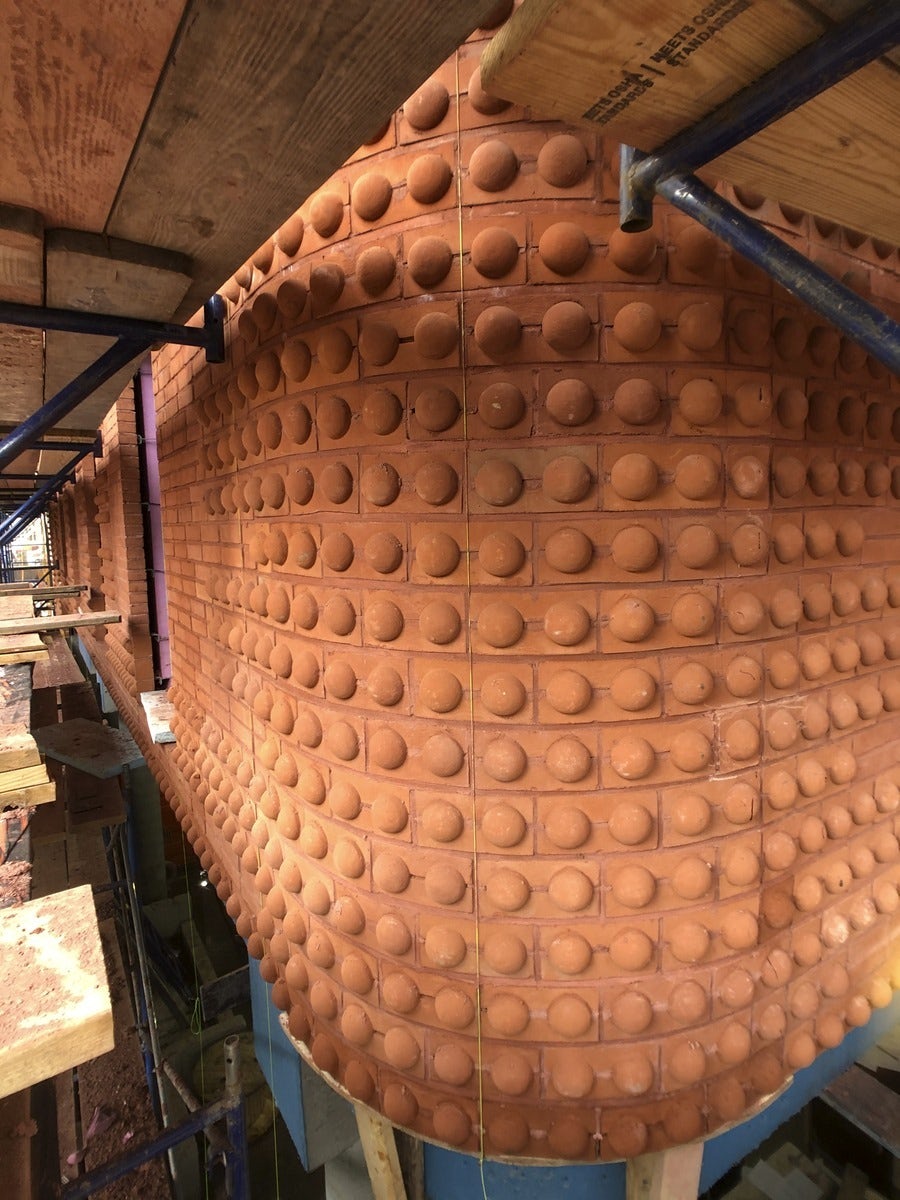
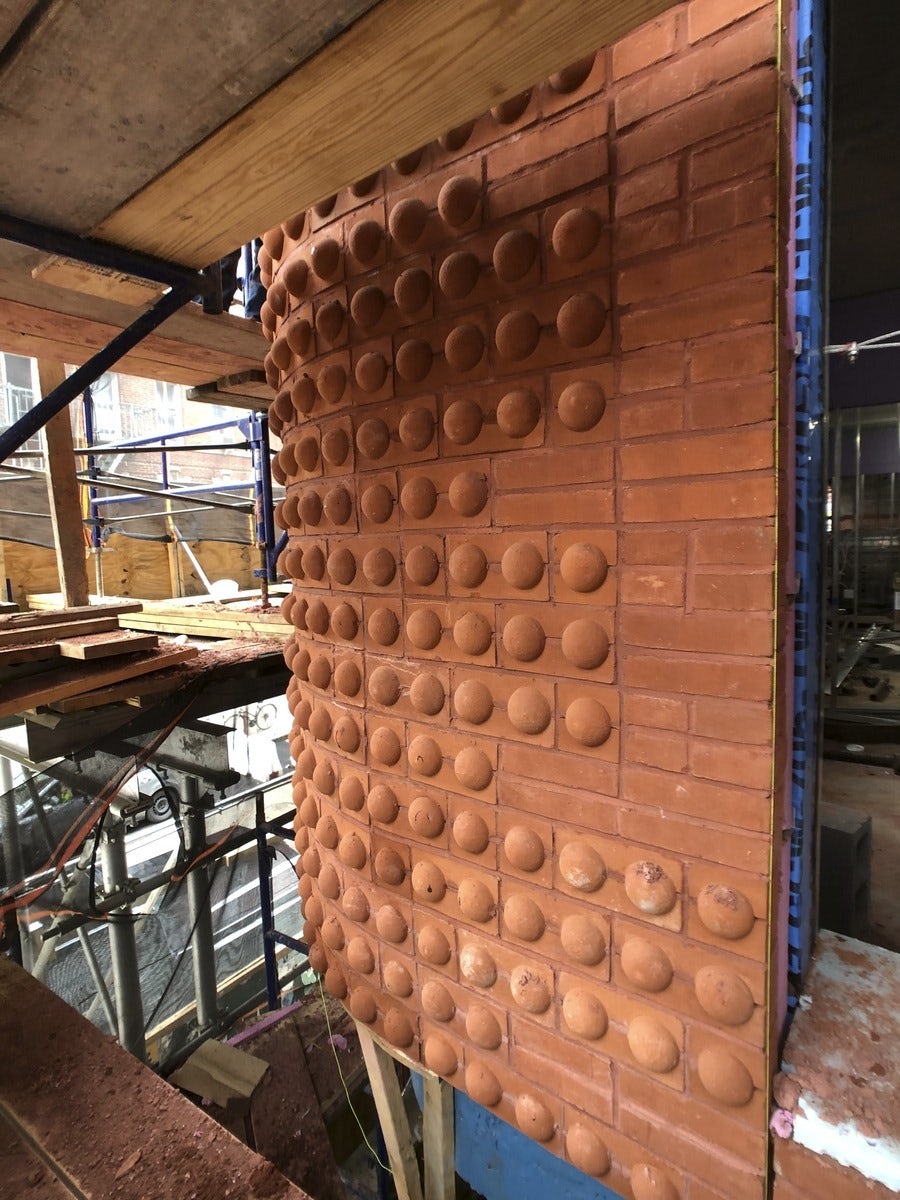
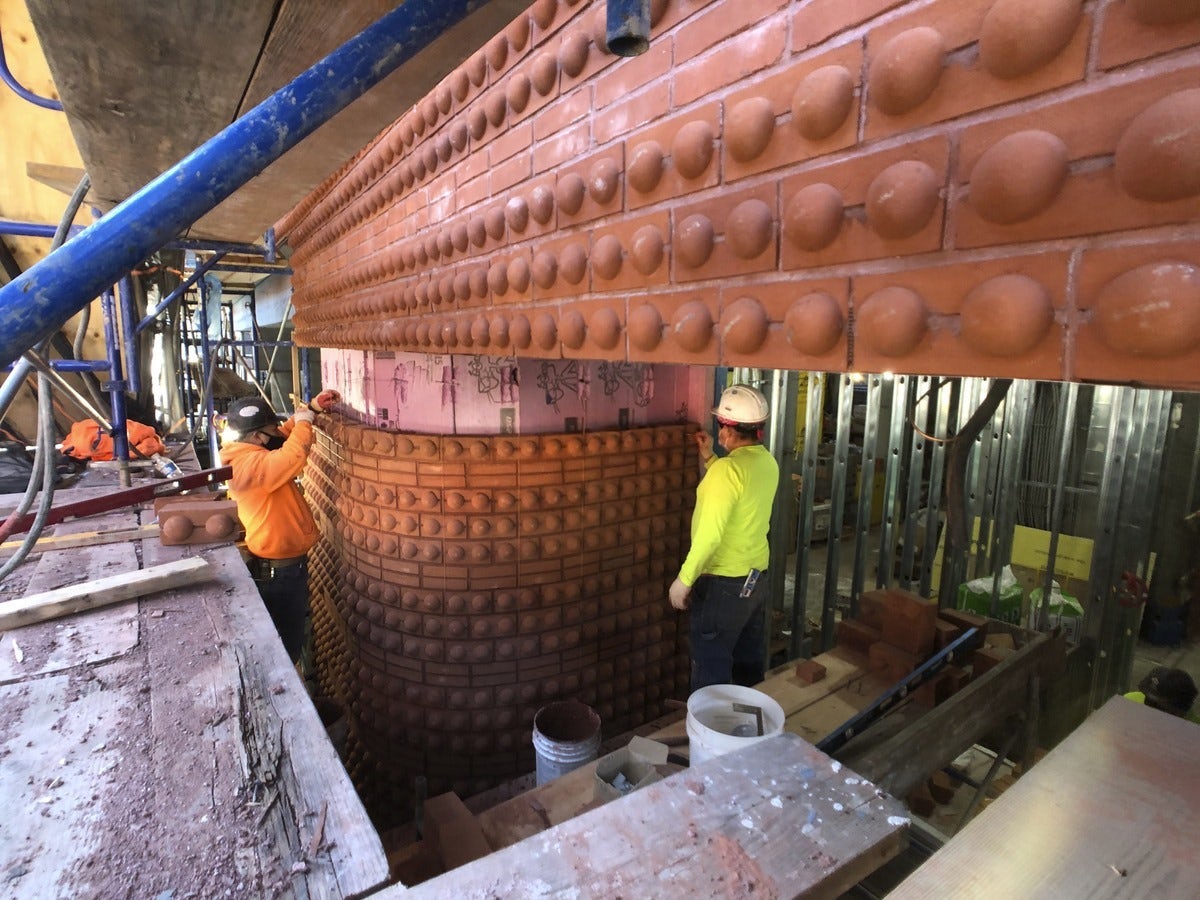
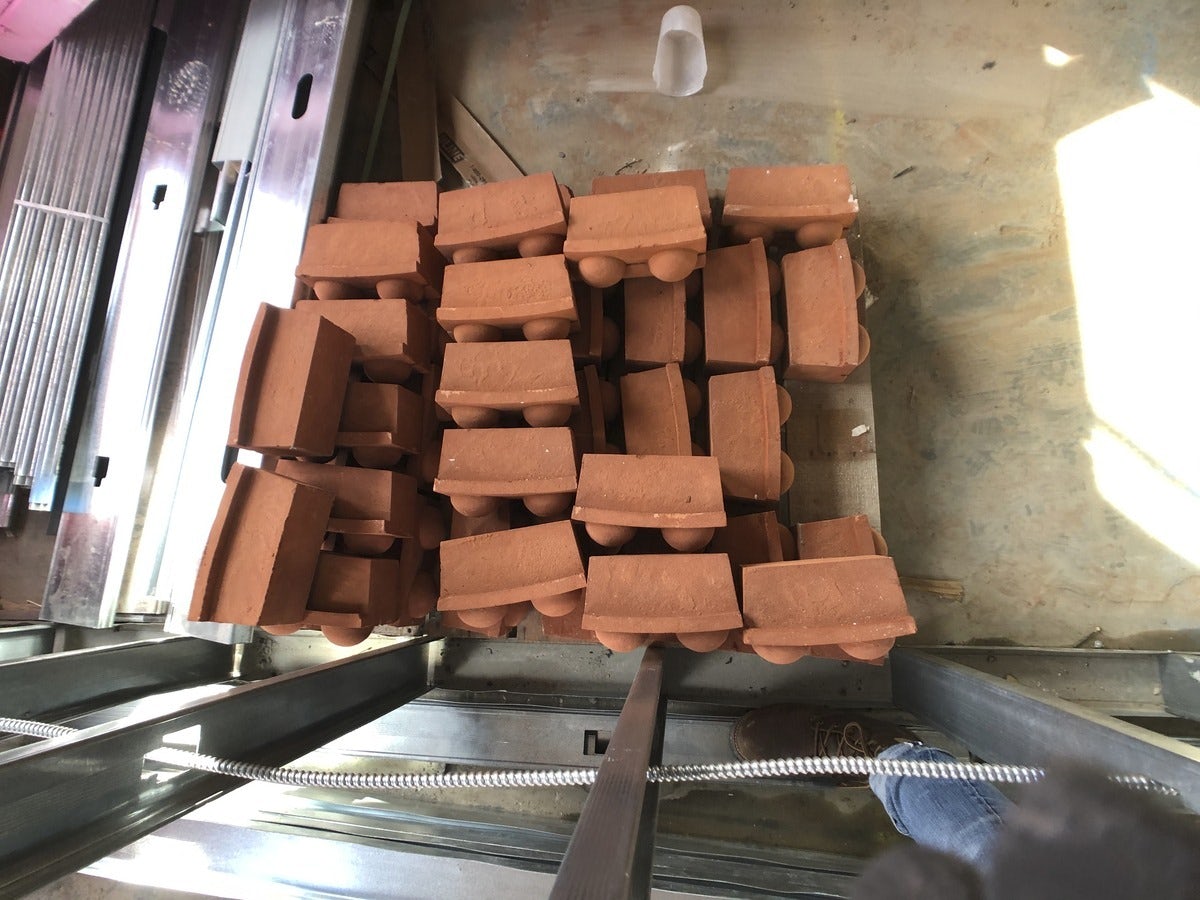
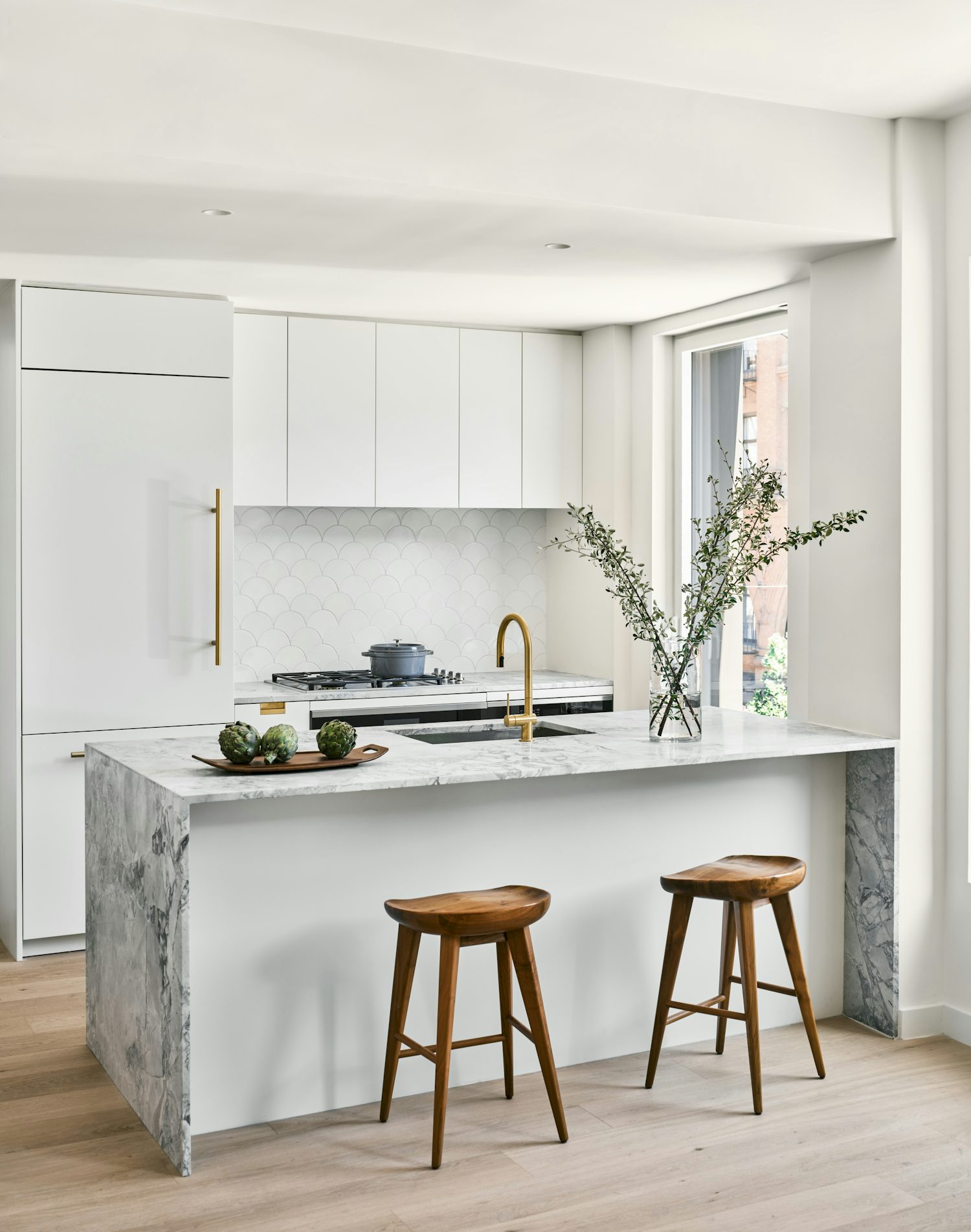
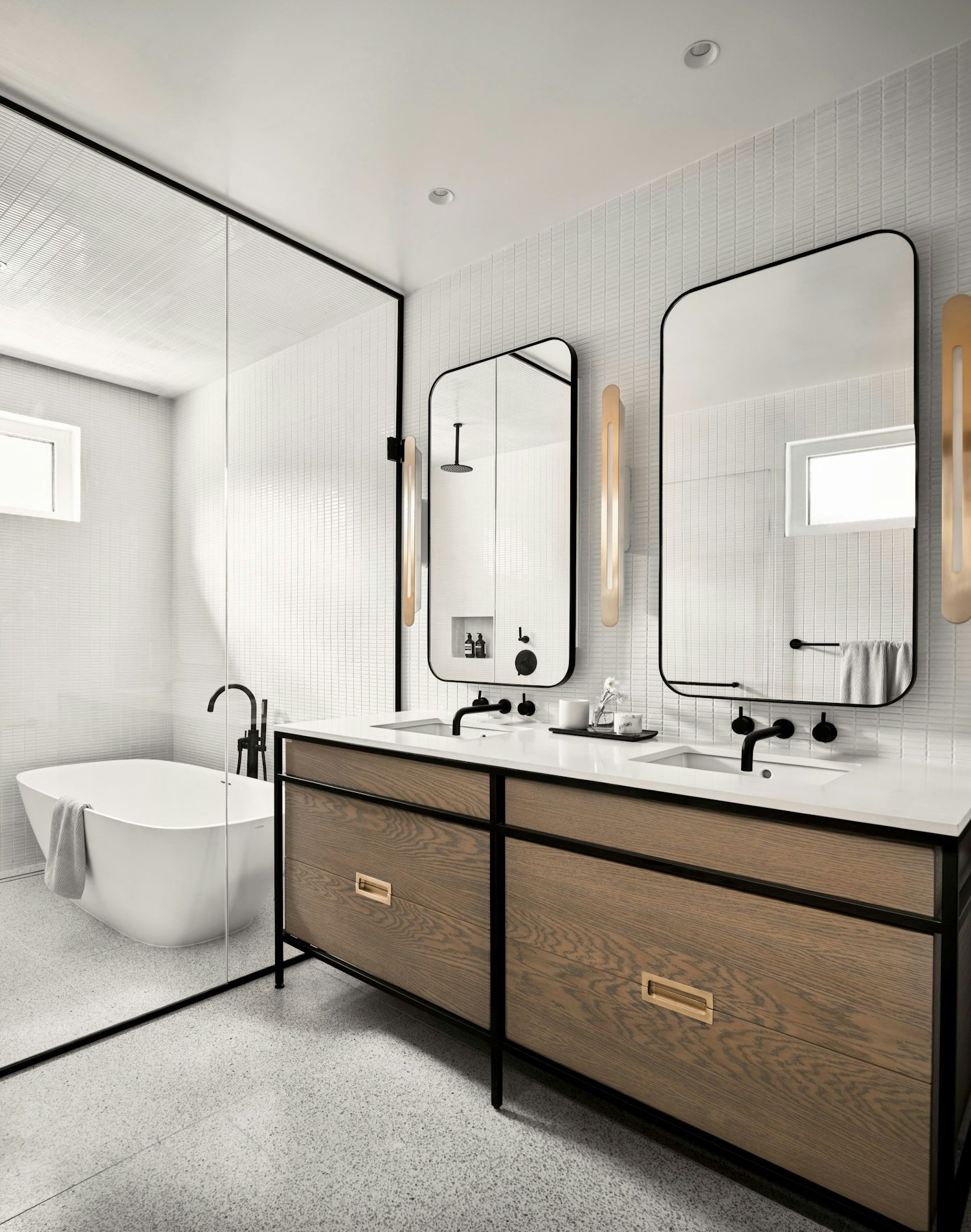
Context also informed the project's interior design concept. Inspiration comes from the materials, forms, and patterns found within Little Italy's historic residential buildings, such as black and white mosaic floors and brass detailing. Italian cream lacquered cabinetry, gray marble counters, and terrazzo flooring imbue residences with modern elegance.




Awards
- Architizer A+ Awards, Architecture +Facades, Popular Choice Winner - 2024
- Architizer A+ Awards, Architecture +Brick, Finalist - 2024
- Brick in Architecture Award, Gold - 2022
- NYCxDesign Awards, Building Façade - 2023
- SARA NY Design Awards, Award of Honor, Multifamily - 2023
- SARA National Design Awards, Winner, Multi-Family Residential: Condominiums, Apartments - 2023
- SARA National Design Awards, Award of Honor - 2023
Press
- Grand Mulberry Featured in America ByDesign Season 2 Episode 1
- The Architect's Newspaper | These are the top facades AN covered in 2023
- The Architect's Newspaper | The Grand Mulberry uses a custom-formed brick to animate a New York facade
- Dezeen | Morris Adjmi uses domed brick on facade to evoke historic New York
- New York Times | Bricks Return With Style in New High-End Buildings
- Realtor.com | Inside Melissa McCarthy’s New Penthouse
- STIRworld | Morris Adjmi references Italianate tenements in The Grand Mulberry
Image Credits
- Selvon Ramsawak
- Inessa Binenbaum
- Glen-Gery
- Trent Tesch
- Field Condition


